Dan Kubin's Latest Machine-The Full Monte | EP 312
CATEGORIES:Tattoo Equipment & Machines
Dan Kubin's Full Monty: Stroke Length, Give, and Everything You Need to Know About This Machine
Dan Kubin's Full Monty: Stroke Length, Give, and Everything You Need to Know About This Machine
Some episodes happen because you plan them. This one happened because Dan Kubin saw Jake's order come through, noticed he hadn't grabbed the Swift tips, threw them in the box himself, and then decided to drive to Memphis to make sure Jake didn't mess up the setup. That's the kind of guy Dan is, and it's exactly why this episode is worth watching.
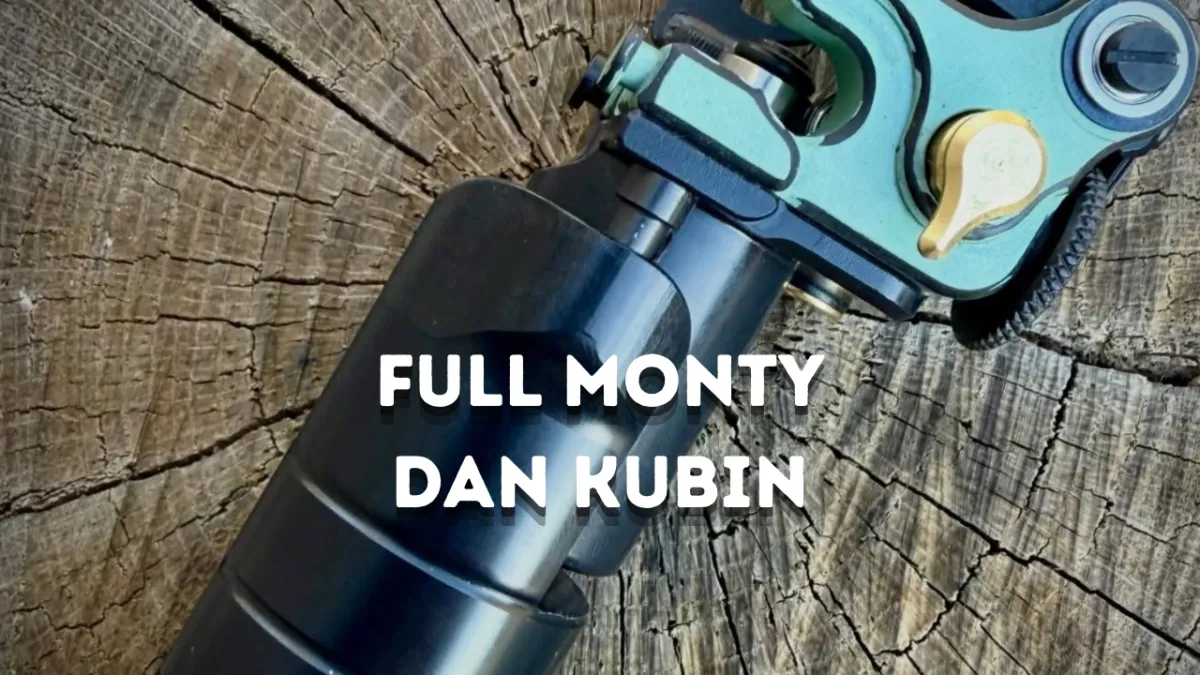
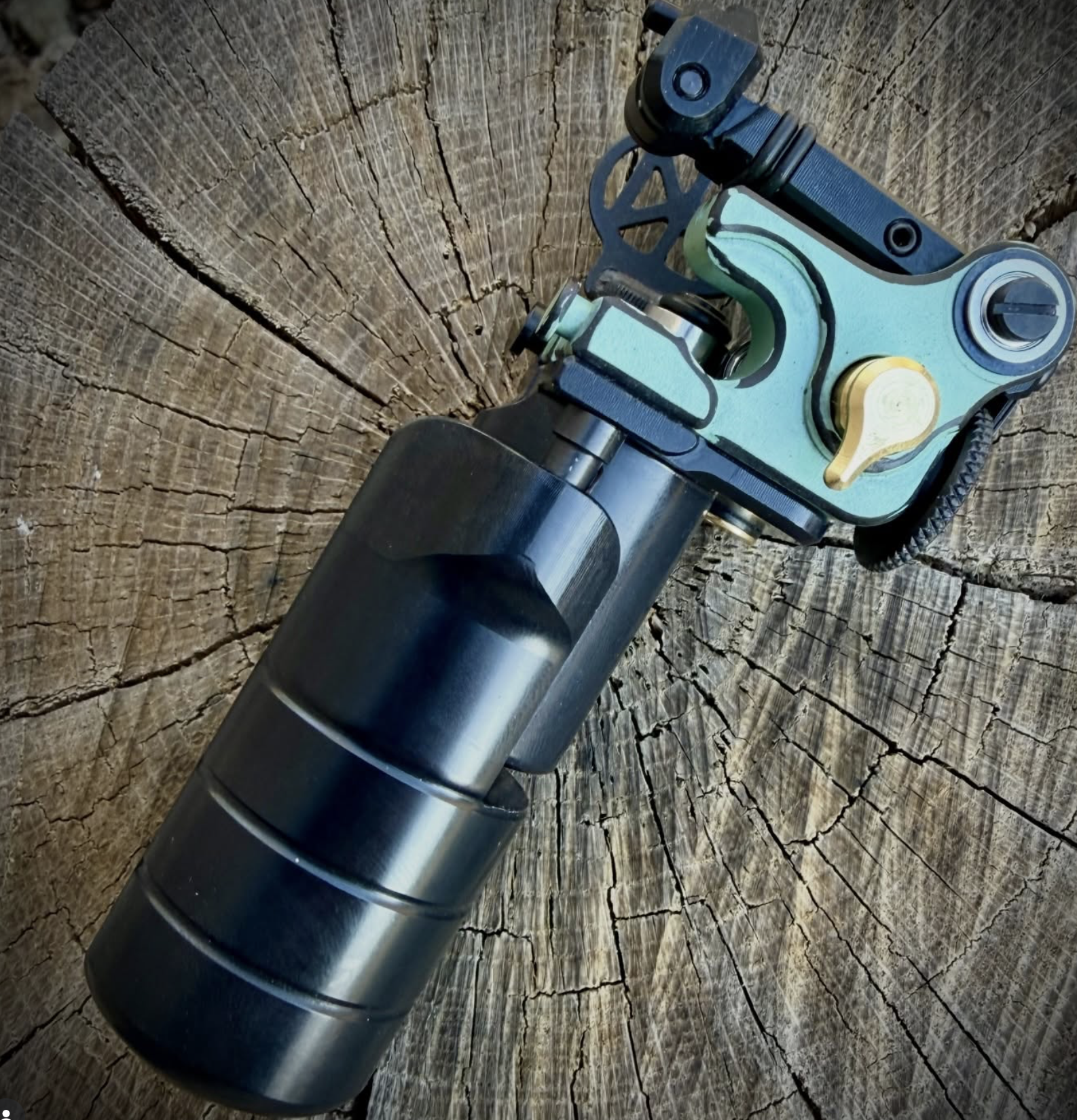
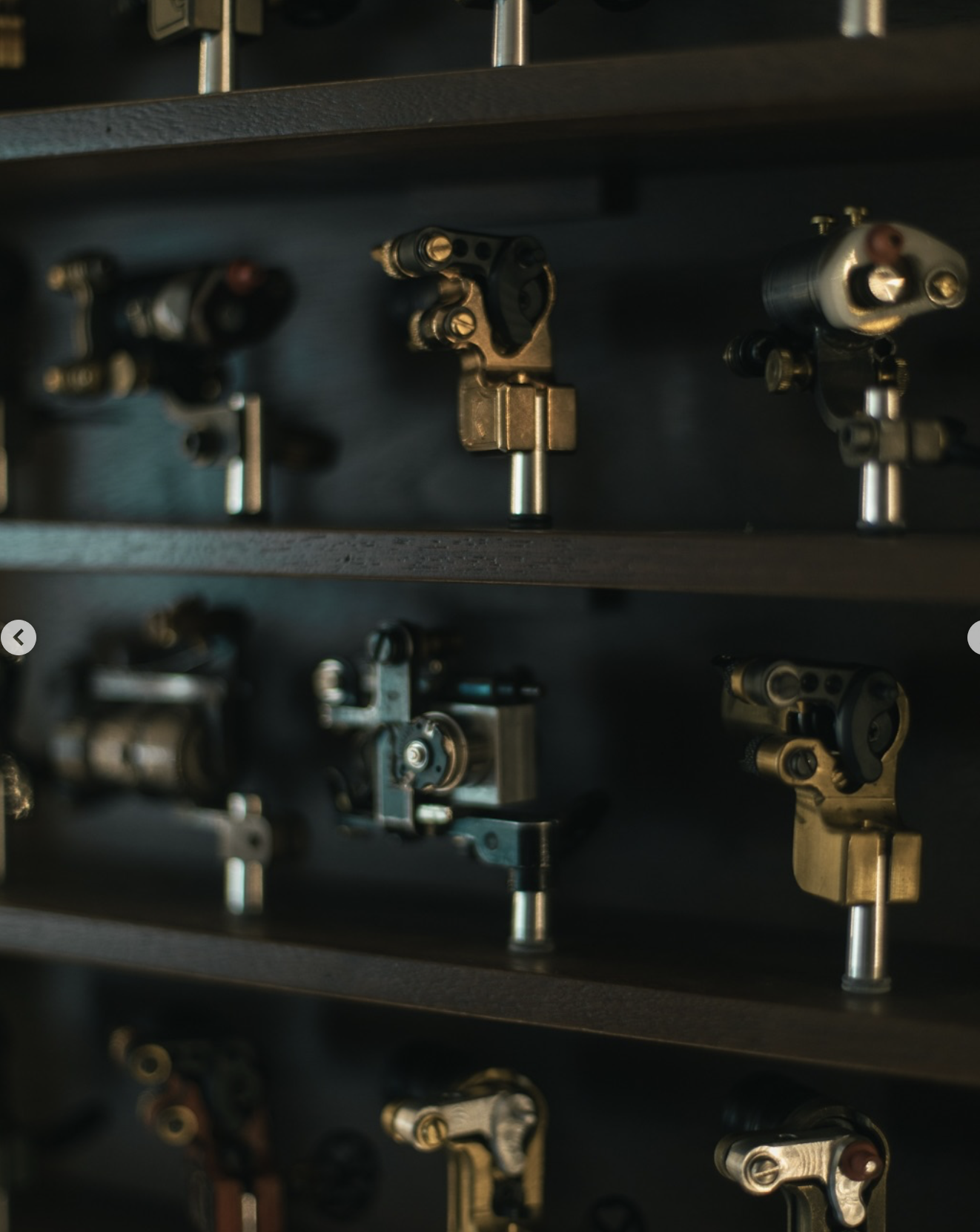
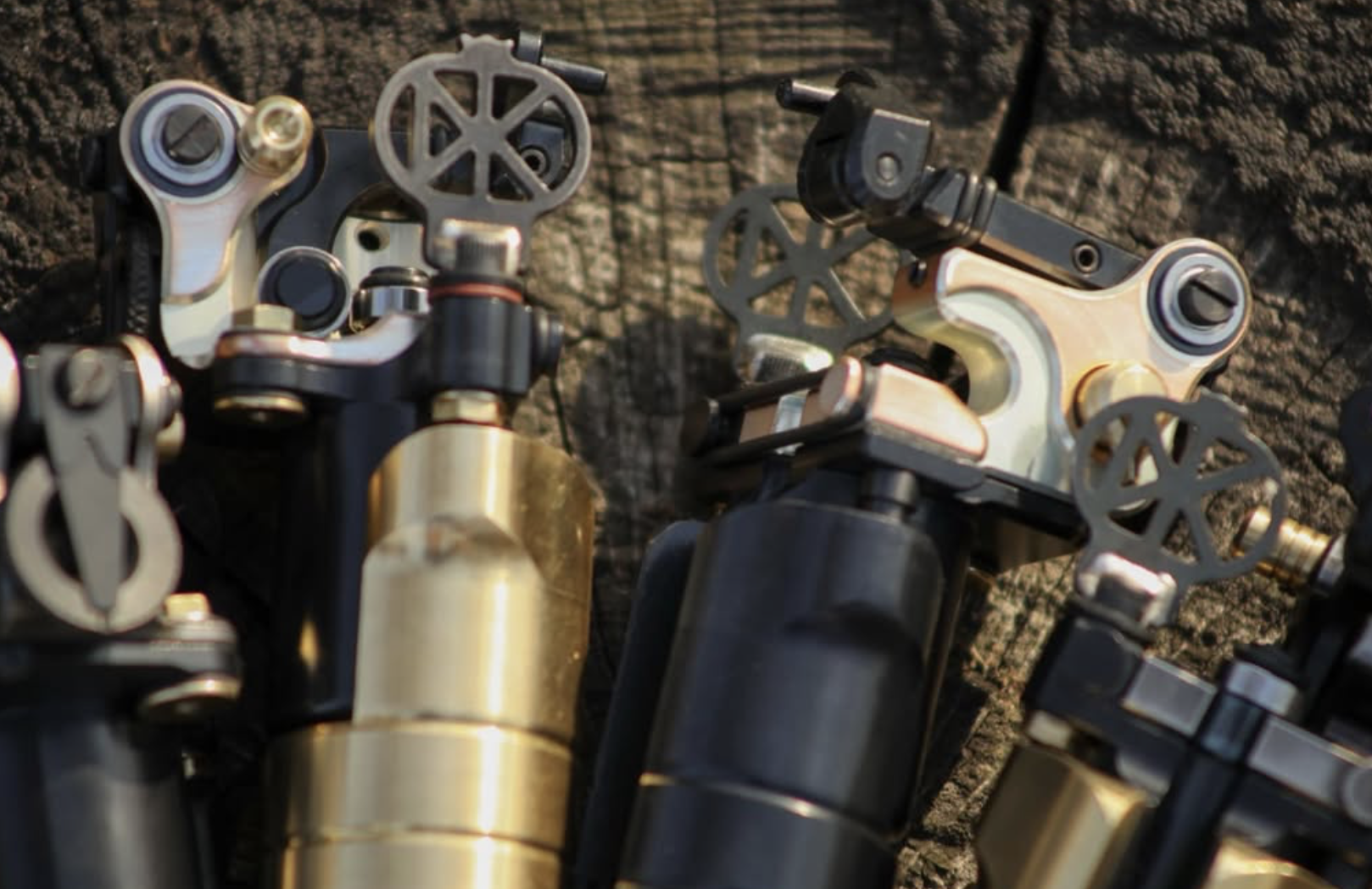
The Full Monty is Dan's latest machine. In this episode he walks Jake through everything: stroke length, give, how the two work together, and how to swap between standard needles and cartridges. It's a full breakdown straight from the builder.
Featured Quote
"This is seven years in the making. This has been a seed in my brain for seven years. I just got stumped on a couple things I couldn't get past — and finally it all kinda fell into place."
— Dan Kubin
Guest Bio
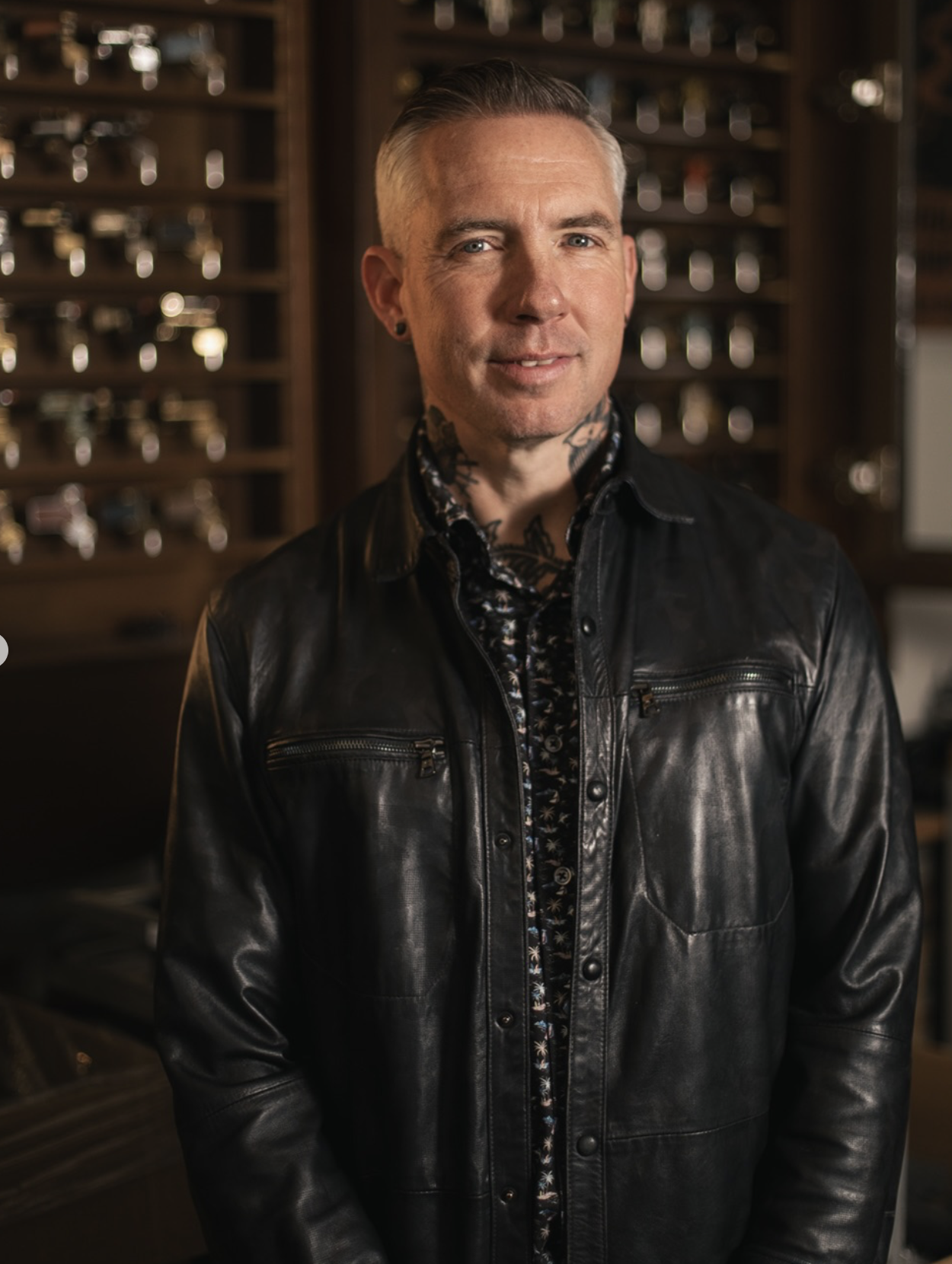
Dan Kubin is a machine builder and tattooer based out of his van, apparently. He's the mind behind DK Rotary and the Full Monty, a machine years in the making that started as a concept in 2019 and went through extensive prototyping on a CNC mill turn lathe before landing where it is today. Dan builds machines that are precision-tuned, artist-first, and backed by a repair process that actually works. Please enjoy!
The Machine That Started With an Order
Jake had been using the V6 Sidewinder for years. When he ordered the Full Monty, Dan caught the order while tuning machines, noticed Jake hadn't grabbed the Swift tips, threw them in anyway, and reached out. That conversation turned into Dan swinging through Memphis in person to walk Jake through the full setup: stroke length, give, needle configuration, the works.
It's a good window into how Dan operates. He knows his machines, he knows what artists need, and he doesn't want anyone fumbling through a setup that should be dialed in from day one.
What the Full Monty Is Actually Solving
The concept for the Full Monty started in 2019. Dan had been thinking through ergonomics, weight distribution, and the limitations of what was available. He wanted to drop the weight, center it up, and get everything into a more ergonomic package without sacrificing the performance characteristics tattooers actually rely on.
The result is a machine that's deeply considered. The armature bar length, the stroke, the give, the way standard needles and cartridges both work with it. Nothing is arbitrary. Every adjustment has a reason, and Dan explains all of it.
The Pendulum of Machine Innovation
One of the more interesting threads in this episode is Dan and Jake's conversation about how machine design has swung back and forth over the years. From coils to disposable tubes to pens and back again. Every innovation that solved one problem created a new one. Disposable tubes didn't help wrist issues. Pens solved ergonomics but lost the function of coil machines.
Dan's point: the weight of a machine isn't really the issue. It's the balance. A heavier machine with good balance feels better than a light machine that's off-center. Artists who came up in the pen generation may not have experienced what a well-balanced heavier machine actually feels like, and they might be missing out.
Stroke Length and Give — How They Work Together
This is the technical core of the episode. Dan breaks down stroke length and give as two separate variables that most tattooers understand individually but rarely think about in relationship to each other. How they interact affects how the machine performs on skin, how ink flows, and how the artist needs to adjust their hand.
Dan covers:
What stroke length actually means and how to set it
What give is and why it matters
How the two variables affect each other in real tattooing conditions
The importance of not over-compressing the spring and why that wears it out fast
Standard Needles vs Cartridges on the Full Monty
The Full Monty runs both. Dan walks through the full process of switching between configurations: what to back off, how to seat everything, what to watch for when it's cold and the O-rings are tight. Jake's leaning toward running standard needles as his daily setup, which Dan respects, though he's curious to hear Jake's take on cartridges once he gives them a shot.
The broader conversation is worth paying attention to: the Swiss Army knife approach to machines versus having specific tools tuned for specific needle groupings. For artists who know what they're doing and have a signature style, a machine dialed in for that specific work will always outperform a machine trying to do everything.
Workhorse and the Indie Builder Model
When Jake asks about customer support, Dan explains the relationship between DK Rotary and Workhorse. By the time a machine goes to Workhorse, Dan has worked through all the bugs. He's done innovating on it. Workhorse handles fulfillment and support, which frees Dan up to keep building. For customers, the repair form on Dan's site is the right move. DMs across three different channels is not.
Dan is clear about why he values Workhorse as a partner: they're independently owned, not connected to private equity, and they genuinely support small builders rather than absorbing them. That matters.
SHOW NOTES
[00:00]Intro — Jake previews what's covered: stroke length, give, and needle setup
[00:50]How this episode came together — Dan saw Jake's order and drove to Memphis
[01:52]Jake on the V6 Sidewinder and switching to Swift tips
[02:13]The ergonomics of machine design — wrist problems, disposable tubes, the pendulum swing
[03:17]Weight vs balance — why a heavier balanced machine beats a light unbalanced one
[04:11]What problems the Full Monty was designed to solve
[04:36]The 2019 concept, CNC prototyping, and the development process
[~15:00]Stroke length explained
[~22:00]Give explained and how it works with stroke length
[~35:00]Switching between standard needles and cartridges
[~45:00]Spring compression — why over-tightening wears it out
[50:40]Jake's preference for standard needles as a daily setup
[51:56]The Workhorse relationship and how customer support works
[54:10]Wrap — thanks to Dan Kubin for making the trip
More Quotes From This Episode
On the Swiss Army knife problem
"The Swiss Army knife can kind of do everything, but when you have a certain tool for a certain task — because that's what you're known for, that's your signature thing — it's important to have that specific machine dialed in for that." — Dan Kubin
On Workhorse
"By the time something goes to Workhorse, it's because I've worked through all the bugs. — but I'm also bored with it. It's time to move on." — Dan Kubin
On machine weight
"A heavier machine really feels better than a lighter machine if it's balanced." — Jake Meeks
Interview Links, Mentions, and Show Notes
Connect with Dan Kubin:Instagram: www.instagram.com/dankubin Website www.dankubin.com
Products Mentioned:
Full Monty (DK Rotary)
V6 Sidewinder
Swift Tips
Workhorse Irons
This episode is powered by the Fireside Tattoo Network, where we talk art and tattooing to inspire, educate, and elevate artists worldwide.
